
LinkedIn Patches #50 Answer & Analysis
Stuck on LinkedIn Patches #50? Get spoiler-friendly Patches hints, the final grid solution, and a clear step-by-step explanation for today’s LinkedIn Patches puzzle.
This page includes the final answer and full analysis for LinkedIn Patches #50. Use the hints first if you want to solve the puzzle before revealing the answer.
LinkedIn Patches #50 Hints
In this puzzle, the biggest breakthroughs come from the corners and edges. A corner patch has fewer expansion options, so it is usually easier to confirm than a center patch.
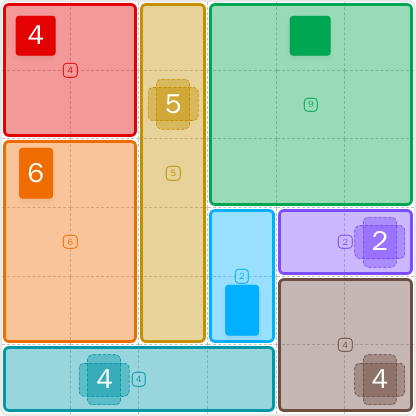
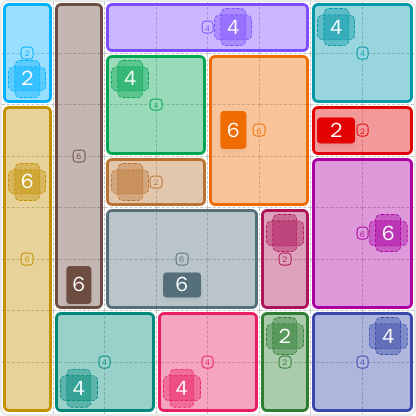
One large patch in the upper-right has enough room to become a compact block. Once that area is fixed, several neighboring cells are automatically restricted.
There is a tall, narrow space near the middle-left that strongly suggests a vertical placement for one numbered patch. That restriction helps separate the left side from the center.
Two smaller patches on the right side sit in a limited space near each other. They only fit cleanly once the larger top and middle regions are settled.
The last open cells form a flat strip along the bottom. If your earlier placements are correct, the remaining patch will complete that row without leaving any isolated cells.
Still Stuck? Click on Reveal Patches #50 Answer below.
LinkedIn Patches #50 Answer
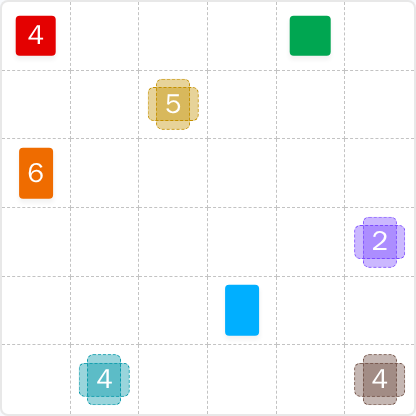
Original Puzzle
Final Answer
How to Solve LinkedIn Patches #50
Previous Patches Answers
Play Unlimited Patches Games
Enjoy unlimited Patches and other puzzle games anytime. No daily limits, just endless fun!
Play Now - Unlimited GamesMore LinkedIn Games Answers for May 6, 2026


Patches #50 FAQ
The full LinkedIn Patches answer for #50 is included on this page as today's Patches solution. The solved layout uses a clear edge-first structure with all regions filled exactly once.
Start with the most restricted patches first, especially corners and edge-bound regions. Then use the remaining corridors and small patches to finish the board logically.
The best Patches hints focus on corner anchors, narrow corridors, and patches with only one or two possible shapes. Those deductions usually solve the grid fastest.
Each number tells you how many cells that patch must occupy. The cells in that patch must be connected, and every cell on the grid must belong to one patch.
R2C7 means row 2, column 7. Rows go from top to bottom and columns go from left to right, which makes grid solutions easier to describe and verify.
Work from the edges inward, place the largest constrained patches first, and avoid creating isolated empty cells. That approach is the fastest way to read today's LinkedIn Patches puzzle.
Yes. This daily puzzle answer page includes the LinkedIn Patches FAQ, hints, and the solved grid reasoning so readers can compare their work with the final layout.