
LinkedIn Patches #131 Answer & Analysis
Stuck on LinkedIn Patches #131? Get spoiler-friendly Patches hints, the final grid solution, and a clear step-by-step explanation for today’s LinkedIn Patches puzzle.
This page includes the final answer and full analysis for LinkedIn Patches #131. Use the hints first if you want to solve the puzzle before revealing the answer.
LinkedIn Patches #131 Hints
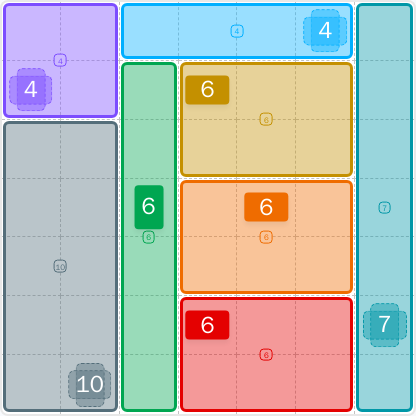
For LinkedIn Patches #131 on 2026-07-26, the easiest progress comes from the outer edge. Corner and edge patches are the most restricted, so place those first before worrying about the open middle.
One side of the grid can only support a long connected region, so the larger numbered patches there are nearly forced. When a patch must stay on the border, it quickly removes a lot of possibilities.
The top row and upper-right corner leave very little wiggle room. Watch how the 4-cell patches fit into the shallow spaces, because they help lock the rest of the first two rows.
The middle of the grid acts like a divider. Once the larger central patches are placed, they separate the board into smaller connected zones and make the remaining placements much easier.
The smallest patches usually fall into the leftover narrow spaces after the larger regions are fixed. If a single cell would be isolated, that placement is probably wrong.
Still Stuck? Click on Reveal Patches #131 Answer below.
LinkedIn Patches #131 Answer
Original Puzzle
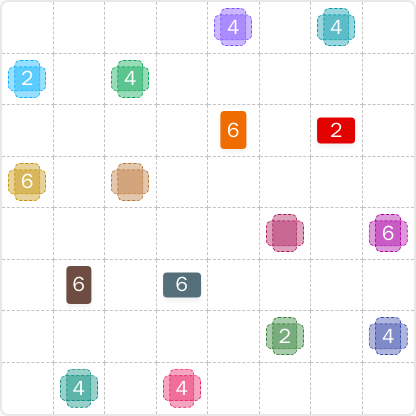
Final Answer
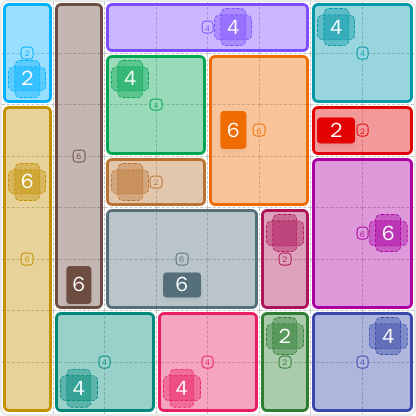
How to Solve LinkedIn Patches #131
Previous Patches Answers
Play Unlimited Patches Games
Enjoy unlimited Patches and other puzzle games anytime. No daily limits, just endless fun!
Play Now - Unlimited GamesMore LinkedIn Games Answers for Jul 26, 2026



Patches #131 FAQ
The LinkedIn Patches #131 answer is the completed grid solution for the puzzle dated 2026-07-26. The solved layout is shown on the page for easy reference.
Yes, this puzzle is LinkedIn Patches 2026-07-26. The page is built around puzzle number 131 and its final solution.
LinkedIn Patches #131 is best described as medium difficulty. The edge constraints make it approachable, but the central regions still require careful placement.
A good approach is to place the most restricted edge and corner patches first, then work through the center-divider regions, and finish with the remaining small patches.
It works because every numbered region matches its required cell count, every patch stays connected, and the final grid solution fills the board completely without overlaps.
The full grid solution is available on this puzzle page. It is paired with the LinkedIn Patches #131 answer and a short Patches puzzle guide.